Common Outdoor Pests in Springboro, Ohio: Ants, Mosquitoes, Termites and How to Keep Them Away
Year-Round Outdoor Pest Pressure in Springboro
Living in Springboro, Ohio, comes with plenty of perks — great neighborhoods, beautiful seasons, and a strong sense of community. But it also comes with a rotating cast of outdoor pests that take advantage of the region's climate and landscape. Warren County's warm, humid summers create ideal breeding conditions for insects, while the area's clay soils and mature tree cover provide perfect habitats for everything from ants to termites.
Knowing which outdoor pests are most common in your area and understanding their behavior patterns is the first step toward effective prevention. Here's a closer look at the pests that Springboro homeowners encounter most frequently around their property and what you can do to keep them under control.
Ants: Persistent Yard and Perimeter Invaders
Ants are far and away the most common pest that Springboro homeowners deal with around their property. Several species are active in the area, and while they may start outdoors, their colonies near your foundation can quickly become a nuisance. The species you're most likely to encounter include odorous house ants, pavement ants, and carpenter ants.
Pavement ants build their colonies in cracks in driveways, sidewalks, patios, and along foundation walls. You'll often see small mounds of displaced soil near these cracks, and they're especially active in warmer months. Odorous house ants nest in shallow soil, under mulch beds, rocks, and landscape timbers — all common features around Springboro homes.
Carpenter ants are the species that should concern you most. These large, black ants nest in damp or decaying wood, often in dead trees, stumps, or woodpiles near your home. From these outdoor colonies, they can extend their activity into your home's wooden structures, particularly where moisture has softened the wood around foundations, decks, or siding.
Effective ant control starts with your yard and the perimeter of your home. Remove woodpiles, leaf debris, and decaying organic material from near your foundation. Keep mulch beds pulled back at least a few inches from the house, and trim landscaping so branches and shrubs don't provide a bridge to your exterior walls. Professional perimeter treatments create a barrier around the foundation that stops ant colonies from establishing near your home.
Mosquitoes: Ruining Your Outdoor Living
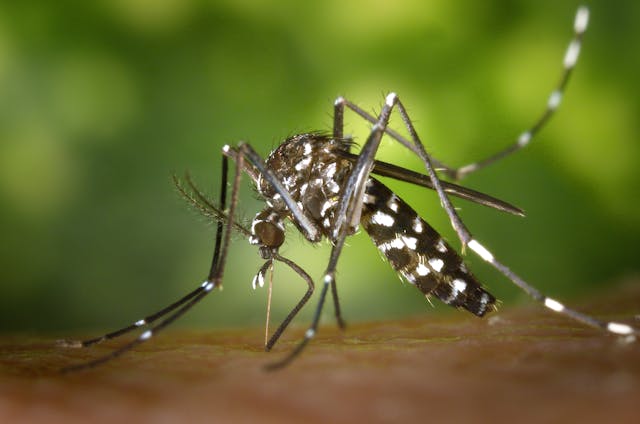
Mosquitoes are one of the biggest complaints from Springboro homeowners during the warmer months, and for good reason. Warren County's humid summers, combined with the area's clay soils that hold standing water, create perfect breeding conditions. A single female mosquito can lay hundreds of eggs in as little as a bottle cap's worth of standing water, meaning even small puddles in your yard can produce thousands of mosquitoes over a season.
Beyond being a nuisance that keeps you from enjoying your patio, deck, or backyard, mosquitoes carry real health risks. West Nile virus is present in Ohio, and mosquito-borne illnesses are a legitimate concern for families and pets spending time outdoors.
Reducing mosquito populations starts with eliminating breeding sites. Walk your property and dump any standing water from flower pot saucers, bird baths, clogged gutters, wheelbarrows, kids' toys, and low spots in your lawn where water collects after rain. For areas where standing water can't be eliminated, mosquito dunks containing Bti bacteria can prevent larvae from developing.
For reliable relief, professional mosquito control treatments applied every three to four weeks during peak season can significantly reduce the mosquito population in your yard. These treatments target the shady, damp areas where adult mosquitoes rest during the day, such as under deck structures, in dense shrubs, along fence lines, and in tall vegetation at the edges of your property.
Termites: Attacking from the Ground Up
Termites cause more property damage in the United States than fires, floods, and storms combined, and Springboro sits squarely in the zone of moderate to heavy termite activity. The most common species in Warren County is the eastern subterranean termite, which lives in underground colonies in the soil around your home and travels through mud tubes to reach wooden structures.
Termite activity is entirely an outdoor-to-structure issue. The colonies exist in the soil surrounding your foundation, and the workers travel through mud shelter tubes they construct along foundation walls to access the wood in your home. This is why perimeter-focused treatment is the most effective approach to termite control — you stop them in the soil before they reach the structure.
Warning signs to watch for around the exterior of your home include mud tubes running up foundation walls, discarded wings near the base of your home in spring (indicating a swarm has occurred), and any wood-to-soil contact points where damage may be visible. Springboro homeowners should also watch for termite activity around outbuildings, wooden fences, deck posts, and any untreated wood in contact with the ground.
Prevention focuses on the conditions around your property. Keep mulch, firewood, and wood debris at least several feet from your foundation. Ensure proper grading and drainage so soil around your home doesn't stay perpetually moist. Repair any wood-to-ground contact points, and address drainage issues around your foundation promptly. Annual inspections of your property's exterior by a licensed professional are the best investment you can make in protecting your home.
Ticks and Fleas: Lurking in Your Lawn
Ticks and fleas are outdoor pests that thrive in Warren County's landscape, posing health risks to both people and pets. Blacklegged ticks (deer ticks) are carriers of Lyme disease and are increasingly common in Ohio, while American dog ticks are abundant in grassy and wooded areas throughout the Springboro region.
Ticks prefer tall grass, leaf litter, and the transitional zones between your maintained lawn and wooded or brushy areas. If your property borders wooded land or has areas of tall vegetation, tick populations can be significant. Fleas thrive in shady, humid areas of your yard and can be especially problematic for homes with pets that spend time outdoors.
Cultural controls make a meaningful difference. Keep your grass mowed at the proper height, remove leaf litter from lawn edges, and create a three-foot gravel or mulch barrier between your lawn and any wooded areas. This buffer zone reduces tick migration into your yard. Trimming back overhanging branches to increase sunlight also helps, since both ticks and fleas prefer shaded, moist environments.
Professional flea and tick lawn treatments applied during the active season — typically May through September in Springboro — provide effective population control across your property, making your outdoor spaces safer for your family and pets.
Wasps, Yellow Jackets, and Stinging Insects
Stinging insects are an unavoidable part of Ohio summers, and several species are particularly common around Springboro properties. Paper wasps build their open, umbrella-shaped nests under eaves, deck railings, and porch ceilings. Yellow jackets nest in the ground, often in old rodent burrows or voids in retaining walls, and become increasingly aggressive in late summer and fall as their colonies peak in size.
Carpenter bees are another common outdoor pest that Springboro homeowners encounter. These large, fuzzy bees bore perfectly round holes into untreated wood — deck rails, fascia boards, pergolas, and wooden siding are common targets. While a single carpenter bee does minimal damage, repeated nesting year after year in the same wood can cause significant structural deterioration.
For wasps and yellow jackets, early-season monitoring is key. Removing small nests in spring before colonies grow large is far easier and safer than dealing with a mature colony in August. Carpenter bee damage can be prevented by painting or staining exposed wood surfaces, and professional treatments can deter them from returning to previously damaged areas.
Seasonal Outdoor Pest Patterns in Warren County
Understanding when different pests are most active helps you stay ahead of problems rather than reacting to them. In Springboro, outdoor pest pressure follows a predictable seasonal pattern. Spring brings increased ant activity as colonies expand, along with termite swarms on warm days following rain. Summer is peak season for mosquitoes, wasps, ticks, fleas, and carpenter bees. Fall sees yellow jacket colonies at their most aggressive, and late-season ant activity picks up as colonies prepare for winter. Winter provides a reprieve from most outdoor pests, making it an ideal time for preventive inspections and property maintenance.
A proactive perimeter pest management approach that addresses each season's specific threats is far more effective than waiting until you have a visible problem. Perimeter treatments applied several times during the active pest season create a barrier around your home's foundation and throughout your yard that keeps pest populations in check.
Professional Outdoor Pest Protection for Your Springboro Property
While good property maintenance goes a long way, targeted professional treatment delivers results that DIY methods simply can't match. Perimeter pest control, mosquito treatments, termite prevention, and flea and tick applications all require proper timing, product selection, and application techniques to be truly effective.
At Poff's Lawn & Landscape, we specialize in outdoor pest control services designed for Springboro and Warren County properties. Our perimeter treatments create a protective barrier around your home, while our targeted mosquito, flea, and tick programs make your yard enjoyable again. Whether you need seasonal protection or help addressing a specific outdoor pest problem, we're here to help keep your property pest-free. Contact us for a free property evaluation and find out how affordable professional outdoor pest protection can be.